Paver Patio Cost in Syracuse, NY: What Really Affects Your Price
A paver patio is one of the best investments you can make in your backyard. It adds usable living space, raises curb appeal and gives you a place to cook, dine and relax from spring through fall. The most common first question we hear is simple: how much does a paver patio cost in Syracuse, NY?
The honest answer is that every patio is priced differently, because no two yards are the same. Instead of a guess, this guide explains exactly what drives the price of patio installation in Syracuse, so you can plan your budget with confidence and compare quotes from paver patio contractors fairly.
- The 7 factors that set your patio price
- Why base preparation matters in Central NY
- Pavers vs. concrete vs. natural stone
- How to choose a paver patio contractor
- Frequently asked questions
The 7 Factors That Set Your Paver Patio Price
1. Size and shape
Square footage is the starting point, but shape matters too. Curves, angles and multiple levels require more cutting and labor than a simple rectangle. A curved patio often looks more natural in a landscape, so it is usually worth the added detail.
2. Excavation and base preparation
This is the part of the job you never see, and it is where cheap patios cut corners. A durable patio needs the soil excavated, a compacted gravel base installed in layers, and a level bedding course before a single paver is laid. The deeper the base, the more material and labor is involved.
3. Paver style and material
Pavers range from standard concrete pavers to premium textured, tumbled and large-format slabs. Natural stone such as bluestone, flagstone and travertine sits at the top of the range. The material you choose has a major impact on both the look and the price.
4. Site access
If equipment can drive straight into the backyard, the job moves faster. Tight side yards, fences, mature trees or lakefront lots with steep access can require smaller equipment or more hand work.
5. Slope and grading
A flat yard is the simplest build. Sloped yards often need grading, steps or a retaining wall to create a level patio, which adds to the project but can also create some of the most dramatic outdoor spaces.
6. Drainage
Water must flow away from your house and off the patio surface. Some sites need drain lines, channel drains or dry wells. Planning drainage up front prevents settling, ice buildup and wet basements later.
7. Add-on features
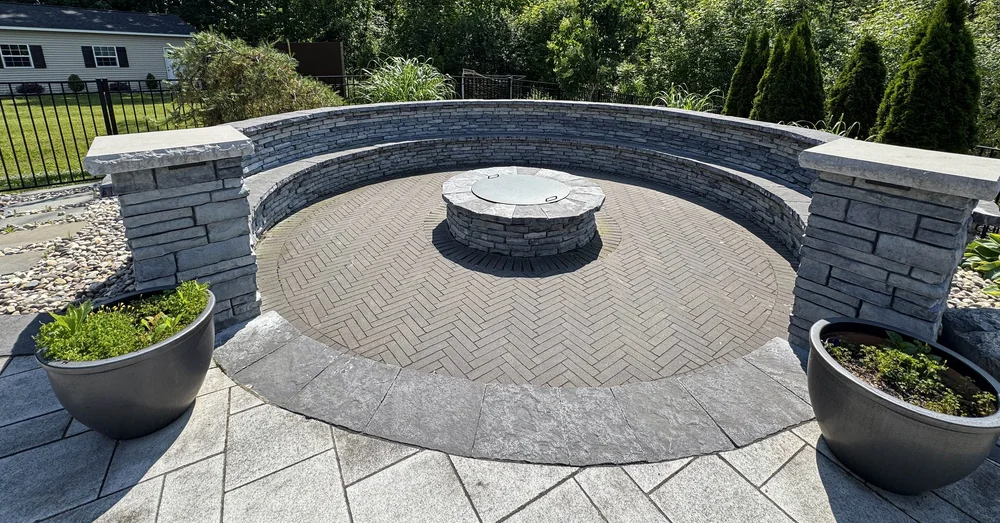
Seating walls, fire pits, steps, borders, outdoor kitchens and landscape lighting turn a basic patio into a complete outdoor room. Each one adds to the budget, and each one adds to how much you will use the space.
Planning tip: If you want lighting, a fire feature or a gas line in the future, have conduit and sleeves installed under the patio now. Adding them later can mean pulling up finished pavers.
Why Base Preparation Matters So Much in Central NY
Syracuse winters are hard on hardscaping. Water that collects under a patio freezes, expands and pushes pavers out of place, a process known as frost heave. A properly excavated and compacted base lets water drain through instead of sitting under the surface.
When you compare quotes, ask each contractor how deep they excavate, what base material they use, how many layers they compact and whether they use edge restraints. A lower price often means a thinner base, and that is the difference between a patio that lasts decades and one that sinks within a few seasons.
Pavers vs. Poured Concrete vs. Natural Stone
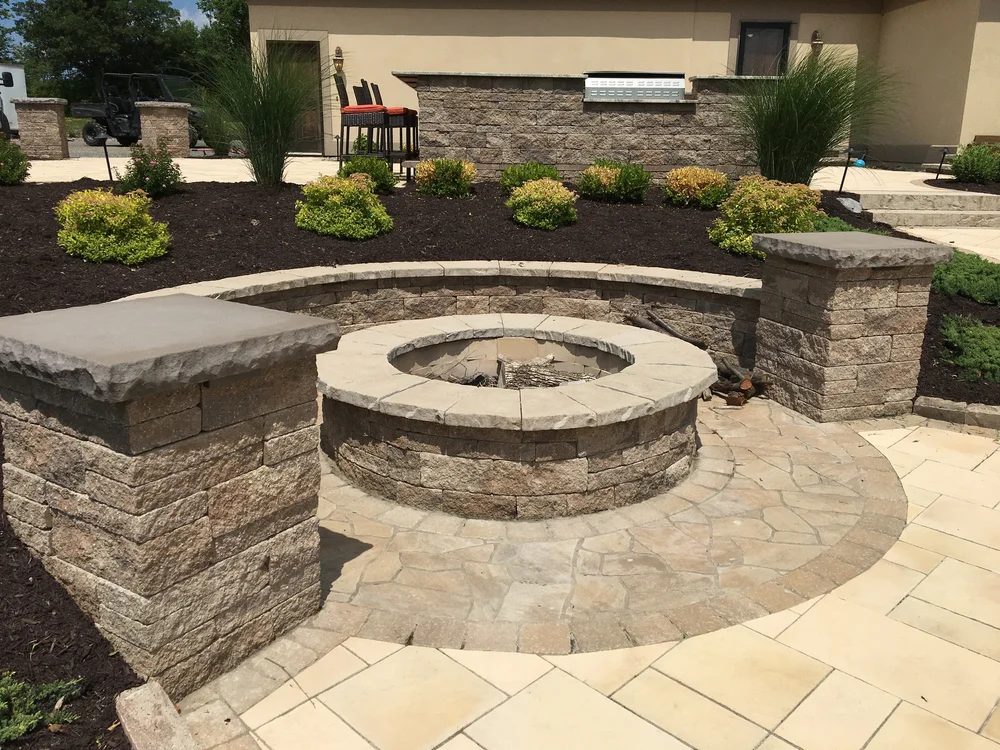
- Concrete pavers: Strong, available in many colors and textures, and individual pavers can be lifted and reset if repairs are ever needed. A great fit for most Syracuse homes.
- Poured concrete: Lower upfront cost, but it can crack with freeze–thaw cycles and is difficult to repair without visible patches.
- Natural stone: Bluestone, flagstone and travertine offer a timeless, high-end look. The material costs more, but the result is unique to your home.
How to Choose a Paver Patio Contractor in Syracuse
Not all paver patio installers work the same way. Before you sign, ask:
- Can I see photos of patios you have built, ideally a few years old?
- How deep is your base, and how do you compact it?
- How will you handle drainage on my property?
- Do your own crews do the work, or is it subcontracted?
- Can you design the patio together with lighting, walls and plantings?
- Are you fully insured, and what warranty do you offer?
At Syracuse Lightscapes, our own crews handle design and installation from start to finish, and we plan outdoor lighting, walls and plantings as part of the same design. See more of our work on our walkways and patios page.
Frequently Asked Questions
How long does paver patio installation take?
Most residential patios take from a few days to two weeks of construction, depending on size, access and added features like walls, steps or fire pits. Design and scheduling happen before construction starts.
When is the best time to install a patio in Syracuse?
Construction typically runs from spring through late fall. Designing your patio in fall or winter is the best way to secure an early spot on the spring schedule.
Will a paver patio crack in the winter?
Individual pavers flex with the ground instead of cracking like a solid slab. With a proper base and drainage, a paver patio handles Central NY freeze–thaw cycles very well.
Do pavers need maintenance?
Very little. Occasional sweeping, rinsing and topping up joint sand keeps pavers looking great. Sealing is optional and can enhance color and resist stains.
Related Services
Get an Accurate Patio Estimate
Every yard is different. We'll visit your property, talk through your goals and give you a detailed estimate for your paver patio in Syracuse or anywhere in Central NY.
Request Free ConsultationOr call 315-751-0540